Shopping for a home in Great Falls and noticing that many list prices seem to sit above typical loan limits? You are not alone. In this part of Fairfax County, jumbo financing is common, and understanding it early can help you move with confidence. In this guide, you will learn what counts as a jumbo loan, how lenders evaluate applications, the costs to expect, and the local factors that can affect your approval and timeline. Let’s dive in.
What is a jumbo loan?
A jumbo loan is any mortgage that exceeds the conforming loan limit set each year by federal regulators. Conforming loans can be purchased by Fannie Mae and Freddie Mac. Jumbo loans are not, so lenders underwrite and price them differently.
Conforming vs. jumbo at a glance
Below is a quick reference. Exact requirements vary by lender and market conditions.
| Feature | Conforming | Jumbo |
|---|---|---|
| Loan size | At or below county conforming limit | Above county conforming limit |
| Typical down payment | Can be lower depending on program | Often 20% to 30% or more |
| PMI (mortgage insurance) | Common below 20% down | Less common; many lenders require 20%+ down |
| Appraisal scope | Standard appraisal | Often more detailed; sometimes two appraisals |
| Underwriting time | Usually shorter | Often longer due to documentation and appraisal complexity |
| Cash reserves | Modest to several months | Commonly 6–12 months or more of payments in reserves |
Why jumbos are common in Great Falls
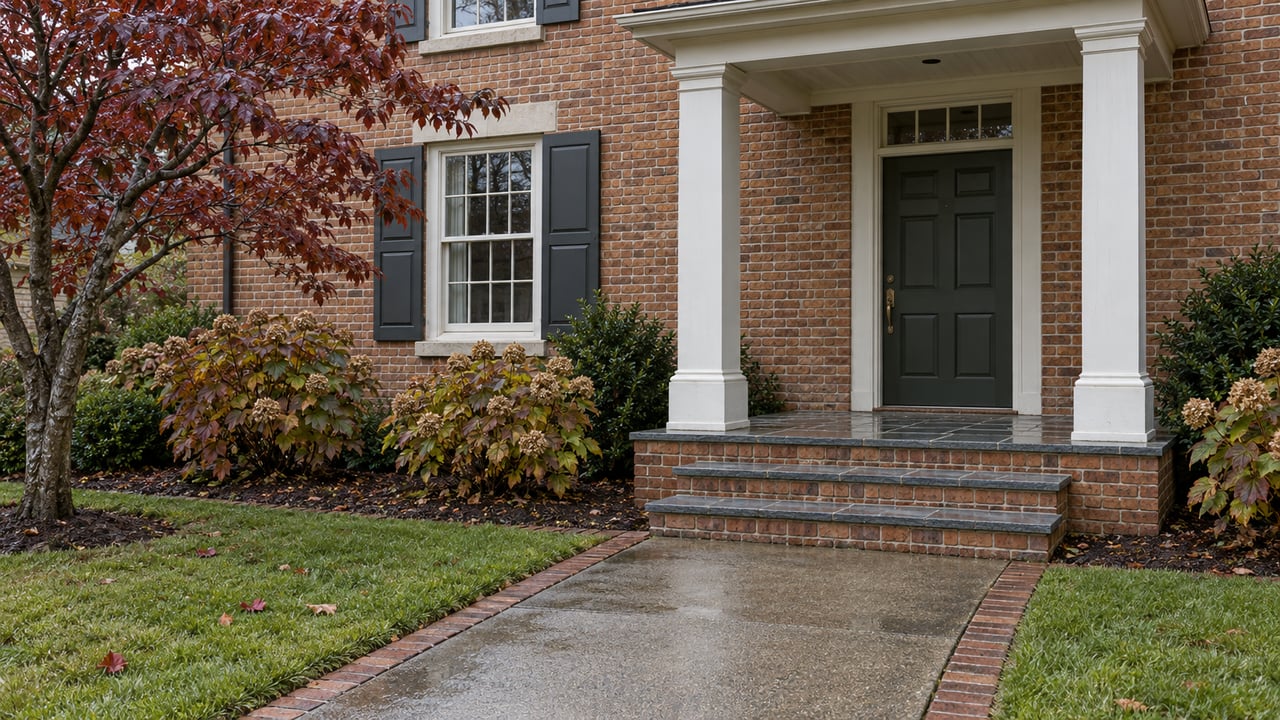
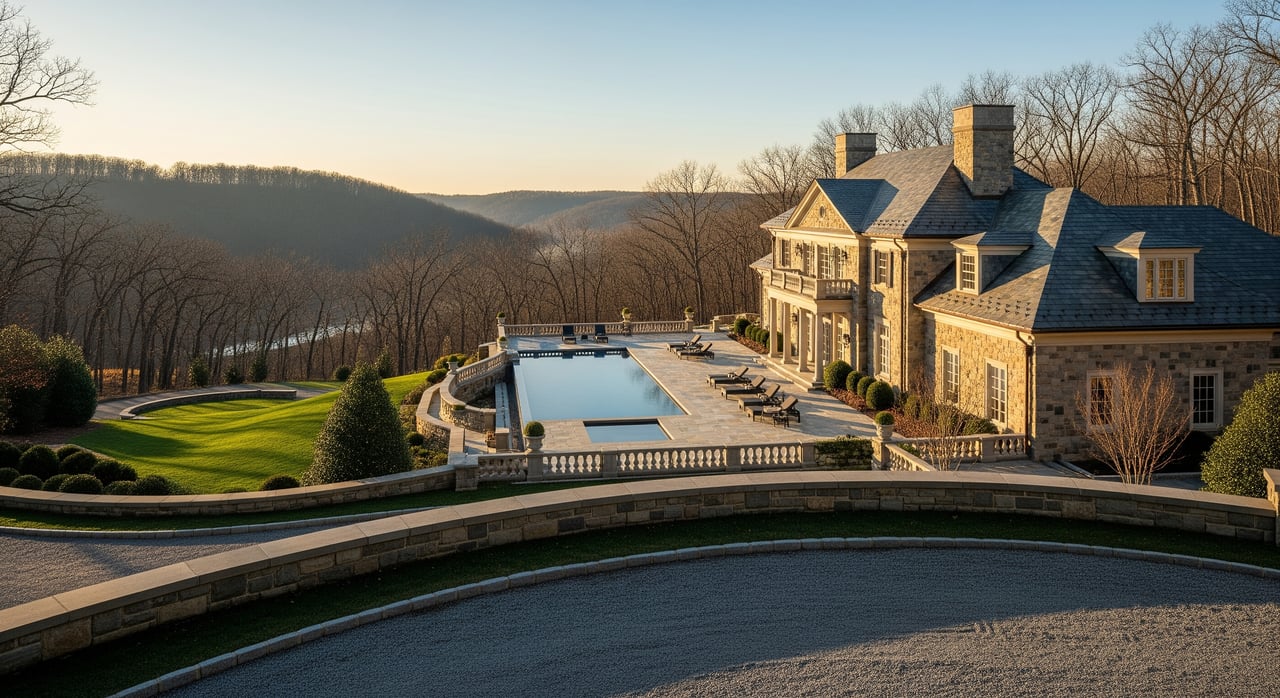
Great Falls offers large single-family homes, custom builds, and properties with acreage. Many of these homes price above typical conforming loan limits, which is why jumbo financing often comes into play. Proximity to D.C., larger lots, and unique features can all influence values and loan needs.
Who qualifies and what lenders look for
Jumbo underwriting tends to be more conservative than conforming. Lenders focus on your credit strength, debt load, liquidity, and the stability of your income and employment.
- Credit score: Best pricing often goes to mid‑700s and above, though some lenders consider lower 700s with stronger reserves or bigger down payments.
- Down payment: Many programs look for 20% to 30% or more, depending on loan size and profile.
- Debt-to-income (DTI): Often targeted below the mid-40s, with flexibility for strong compensating factors.
- Cash reserves: Expect several months’ to a year’s worth of mortgage payments in reserves, sometimes more for very large loans.
- Income documentation: Full documentation is the norm. Self-employed buyers should plan for deeper review.
Your documentation checklist
Collecting documents early can speed up approval:
- Two years of W‑2s and federal tax returns, or 1099s and business returns if self‑employed
- Recent pay stubs covering 30 days and year-to-date income
- Bank and investment statements for the past 2–3 months, plus retirement accounts
- Signed gift letters and proof of transfer if using gifted funds
- Explanations for any large or irregular deposits
- For self‑employed buyers, business financials or a profit and loss statement if requested
Loan types and cost considerations
Different jumbo products fit different plans. Ask lenders to illustrate total cost over time, not just the starting rate.
Common jumbo products
- Fixed‑rate jumbos: 15‑, 20‑, and 30‑year terms are widely available.
- Jumbo ARMs: Adjustable‑rate loans (such as 5/6 or 7/6) often start with lower initial rates.
- Interest‑only jumbos: Less common and more specialized, suited to certain cash‑flow or asset profiles.
- Portfolio/private bank loans: Kept on the lender’s books, with flexible underwriting for complex income or unique properties.
Rates, points, and closing costs
Jumbo rates can be slightly higher than conforming rates, but market conditions often narrow or reverse that gap. Points and lender fees may be higher, and appraisals for high‑value properties can cost more, especially if a second appraisal or desk review is required. Build a realistic closing cost estimate into your budget.
Mortgage insurance
Private mortgage insurance is less common on jumbo loans, because many programs require at least 20% down. Where available, PMI can be more expensive and limited based on loan size and lender appetite.
Appraisals for high‑value homes
High‑value and unique homes in Great Falls can require more rigorous valuation. Lenders may request multiple comparable sales and, in some cases, two appraisals or an additional review. Properties with custom features, significant renovations, or acreage can be harder to comp, so timelines can stretch and valuations can be conservative.
Local factors in Great Falls
Great Falls properties often come with local considerations that affect underwriting, insurance, and closing.
Taxes and insurance
Fairfax County property taxes and assessed values influence your monthly payment. Higher home values can also affect homeowners insurance premiums. Insurers may request detailed replacement cost estimates for custom homes.
Flood, wells, and septic
Homes near streams or the Potomac will undergo flood‑zone checks. If a property lies in a designated flood area, flood insurance may be required. For homes with acreage, lenders and insurers may review well and septic systems as part of due diligence.
HOA health and permits
If the home is in an HOA or cluster community, lenders will review HOA dues and financial stability. For additions or renovations, permitted work is preferred. Unpermitted work can complicate appraisal and underwriting, so ask for permit and contractor records early.
Title and survey for acreage
Larger parcels or subdivided lots may prompt requests for updated surveys and more detailed title work. This is common and helps avoid boundary or easement surprises later.
Choosing a lender
Jumbo loans are offered by several lender types. Each has pros and tradeoffs, so compare carefully.
- National lenders: Predictable programs and pricing, though overlays can be stricter.
- Local and regional banks or portfolio lenders: Often more flexibility for unique properties or non‑standard income.
- Mortgage brokers: Can match your profile with competitive jumbo programs across multiple lenders; review broker fees and timelines.
Smart steps before you shop
A structured plan can save time and stress.
- Confirm whether your target price will exceed the county’s conforming loan limit and plan your loan size accordingly.
- Gather your documentation early and organize it in a secure digital folder.
- Get preapproved with a lender that regularly closes jumbos; request a written preapproval with conditions.
- Compare rates, down payment options, reserve requirements, and total closing costs across at least two lenders.
- Ask about appraisal requirements, second appraisals, and turn times up front.
- Discuss rate locks and float‑down options, plus how long the lock can cover.
- Build extra time into your contract to account for jumbo underwriting and appraisal complexity.
Strategies to manage loan size
There are options to optimize payment and risk. Consider each in the context of your goals and time horizon.
- Larger down payment: Reduces monthly cost and may improve pricing, though it increases cash outlay.
- Split financing (80/10/10): Can lower the first‑lien size; adds complexity and a second payment.
- Adjustable‑rate jumbos: Often lower initial rates if you expect to move or refinance within the fixed period.
- VA buyers: Qualified veterans may access favorable VA financing for high purchase prices, subject to current rules and lender overlays.
Risk checks for peace of mind
Plan for durability, not just approval.
- Stress test payments at higher rates, especially if considering an ARM.
- Maintain post‑closing reserves to cover several months of expenses and unexpected repairs.
- Review insurance needs, including flood and umbrella coverage, for higher‑value homes.
What this means for you
If you are targeting a Great Falls home, there is a good chance jumbo financing will be part of your plan. By preparing documents early, choosing an experienced lender, and understanding local factors like appraisals, taxes, and insurance, you can compete with confidence. When you are ready to tour homes and align your financing strategy with your goals, reach out to Diana Foster Real Estate for locally grounded guidance and a seamless process.
FAQs
What is considered a jumbo loan in Fairfax County?
- A jumbo loan is any mortgage above the county’s conforming loan limit, which is set annually. The exact threshold changes each year.
How much down payment do I need for a jumbo?
- Many jumbo programs expect 20% to 30% down, plus several months of cash reserves. Requirements vary by lender and loan size.
Are jumbo mortgage rates always higher?
- Not always. The spread between jumbo and conforming rates shifts with market conditions, borrower profile, and lender appetite.
How long does a jumbo loan take to close?
- Often longer than a conforming loan due to extra documentation and appraisal complexity. Build additional time into your contract.
Can self‑employed buyers qualify for a jumbo?
- Yes. Plan for full documentation, including two years of tax returns and, when requested, a recent profit and loss statement and strong reserves.
Are VA loans an option for higher‑priced homes?
- Qualified veterans may access favorable VA financing for higher prices, subject to current program rules and lender overlays.