If you are deciding between a brand-new home and an older property in McLean, the choice is rarely as simple as “new is better” or “resale is cheaper.” In this market, lot size, neighborhood setting, house condition, and long-term maintenance can matter just as much as the year a home was built. The good news is that once you understand how McLean’s housing stock really works, the decision gets much clearer. Let’s dive in.
Why This Choice Feels Different in McLean
McLean is not a market filled with large new subdivisions on untouched land. Fairfax County describes the McLean Planning District as a stable, low-density area with very little vacant land, and single-family homes make up nearly 70% of developed land. That means most “new construction” in McLean is usually an infill build or a teardown-and-rebuild in an established neighborhood.
That local context shapes almost every buying decision. Census Reporter estimates about 49,627 residents and 17,833 housing units in McLean, with 86.1% owner occupancy and a median owner-occupied home value of $1,412,700. In Redfin’s March 2026 snapshot for 22101, the median sale price was $1.7 million and average days on market were 49, which reinforces that buyers here are often making high-stakes decisions where land and location play a major role.
What New Construction Usually Means in McLean
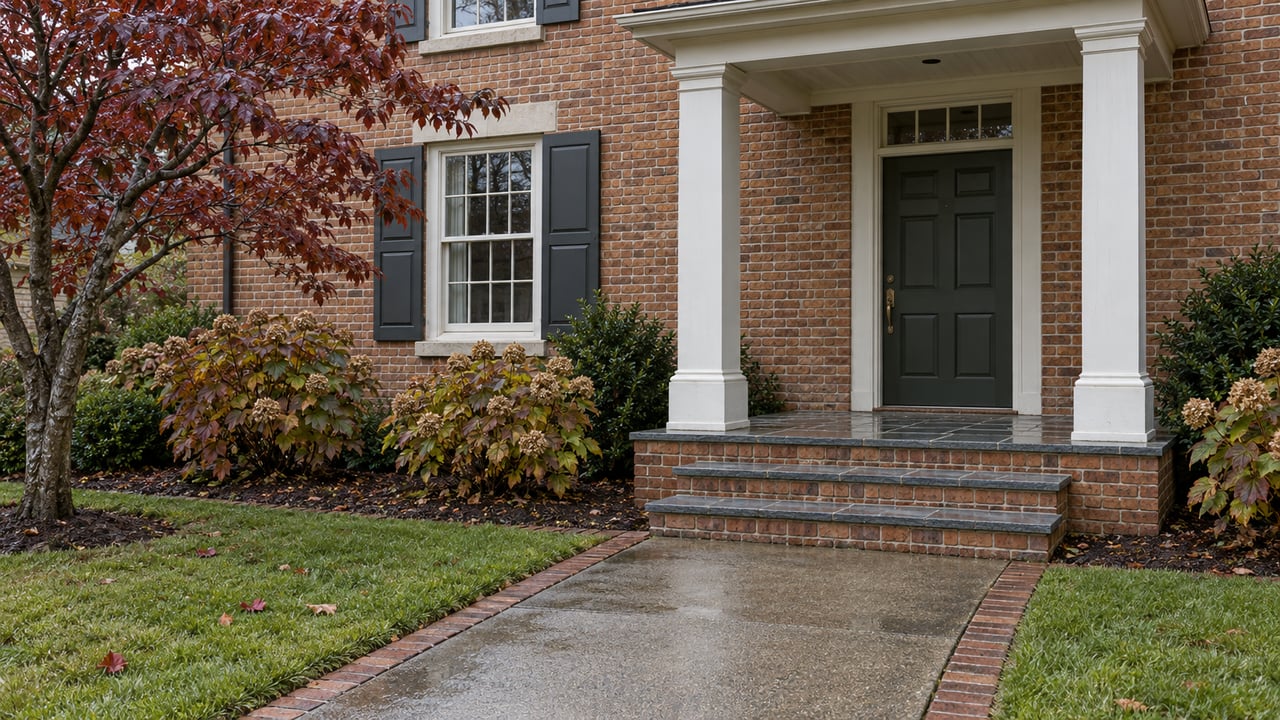
In McLean, new construction usually does not mean a whole neighborhood of similar homes built at the same time. It more often means a newly built house placed on an infill lot inside an older, established street. You may see a large home with new finishes sitting beside houses from the 1950s, 1960s, or 1970s.
Recent examples reflect that pattern. Public listings include a 2025-built home on Churchill Road on a 0.5-acre lot that sold for $3.375 million, a 2025-built home on Fairlawn Drive on a 0.24-acre lot that sold for $2.9 million, and a 2025 build on Lupine Lane on a 0.97-acre lot with 10,692 square feet of living area. The takeaway is simple: McLean new construction often delivers more house, but not always more land.
Common Features of New Builds
New construction in McLean often includes features buyers already expect in today’s luxury market:
- Open floor plans
- Large kitchens
- Attached garages
- New finishes and fixtures
- Recently installed major systems
For many buyers, that creates strong day-one appeal. You are not inheriting someone else’s design choices from decades ago, and you are less likely to face immediate replacement of core systems right after closing.
Code and Efficiency Advantages
Virginia’s Uniform Statewide Building Code governs new construction, and the Virginia Residential Code includes energy-efficiency standards for residential buildings. That matters because newer homes are built to current requirements, which can support comfort and performance from the start.
The research also notes that ENERGY STAR certified new homes are designed to be at least 10% more efficient than homes built to minimum code. Features like tighter insulation, air sealing, updated windows, HVAC, and ventilation standards can help reduce energy waste and improve indoor comfort. While not every new home will carry that certification, newer construction generally offers a stronger starting point for efficiency than an older home in original condition.
What Resale Homes Usually Offer in McLean
McLean’s resale inventory covers a very wide age range, and that is one reason these homes vary so much. Fairfax County parcel records in the sample reviewed show detached homes built in 1924, 1957, 1960, 1972, and 1981, with lot sizes ranging from roughly 15,000 square feet to 21,832 square feet. That spread means two resale homes in the same area can feel completely different in layout, upkeep, and land value.
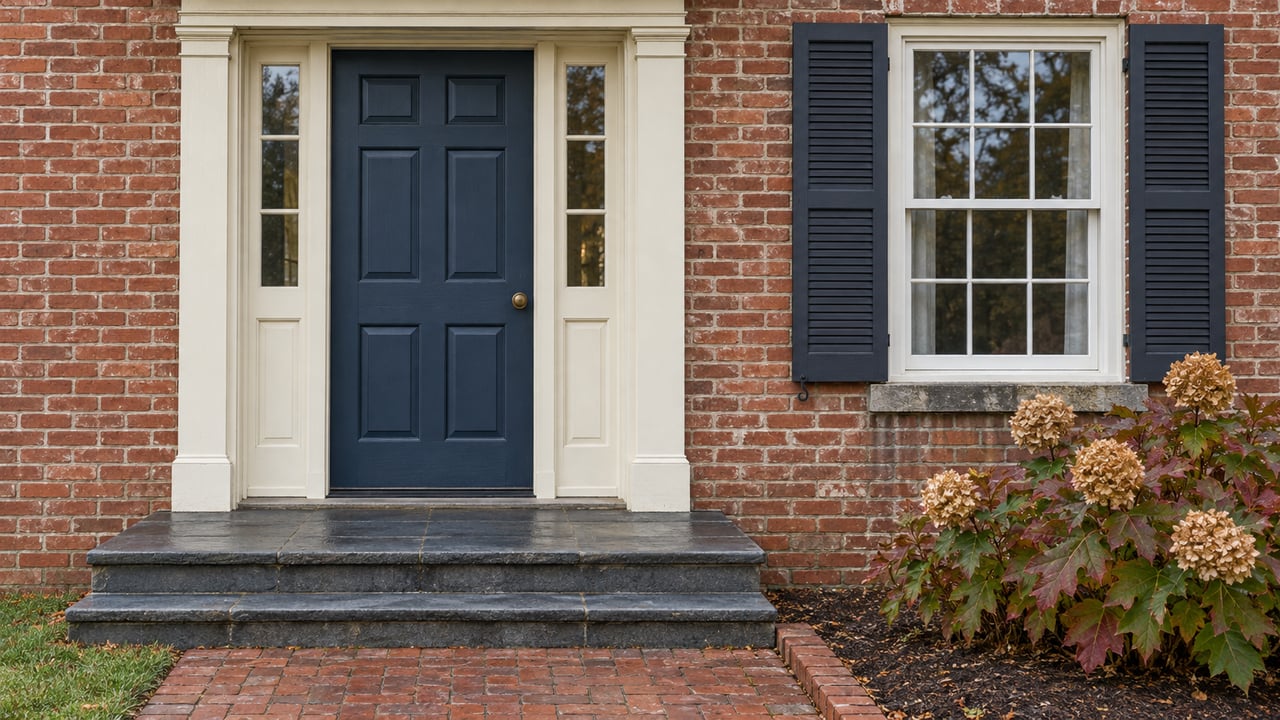
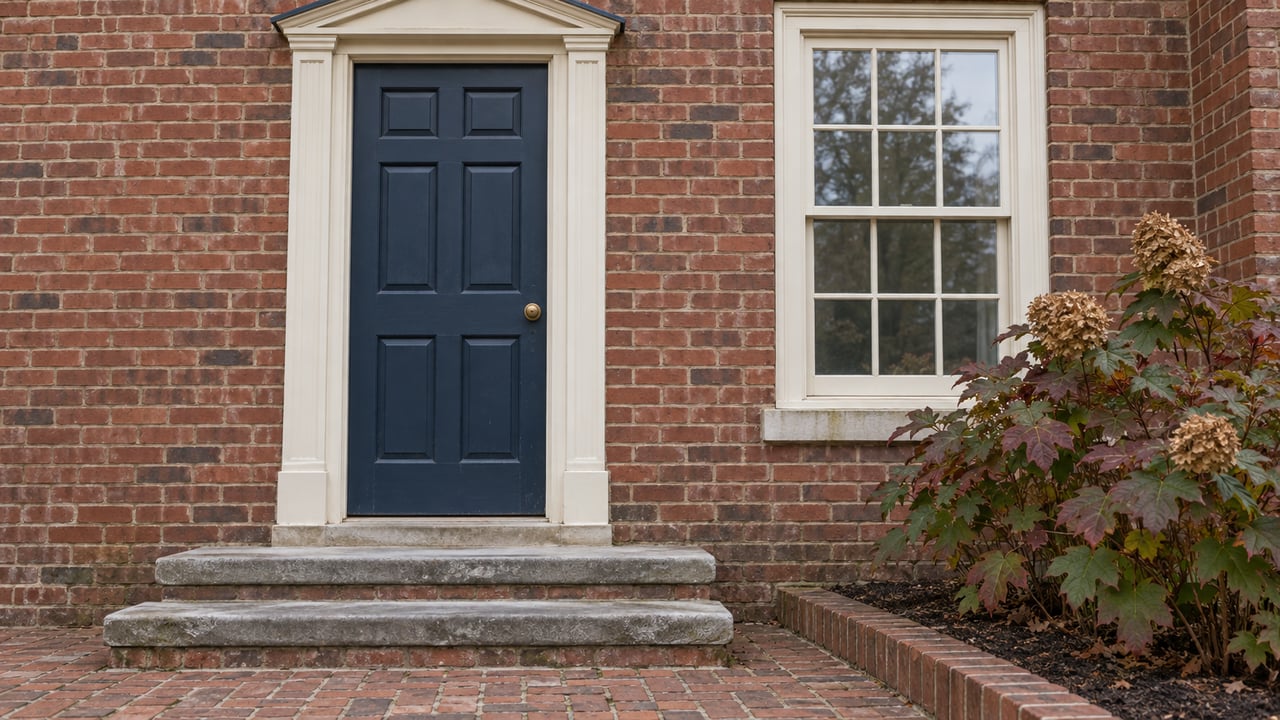
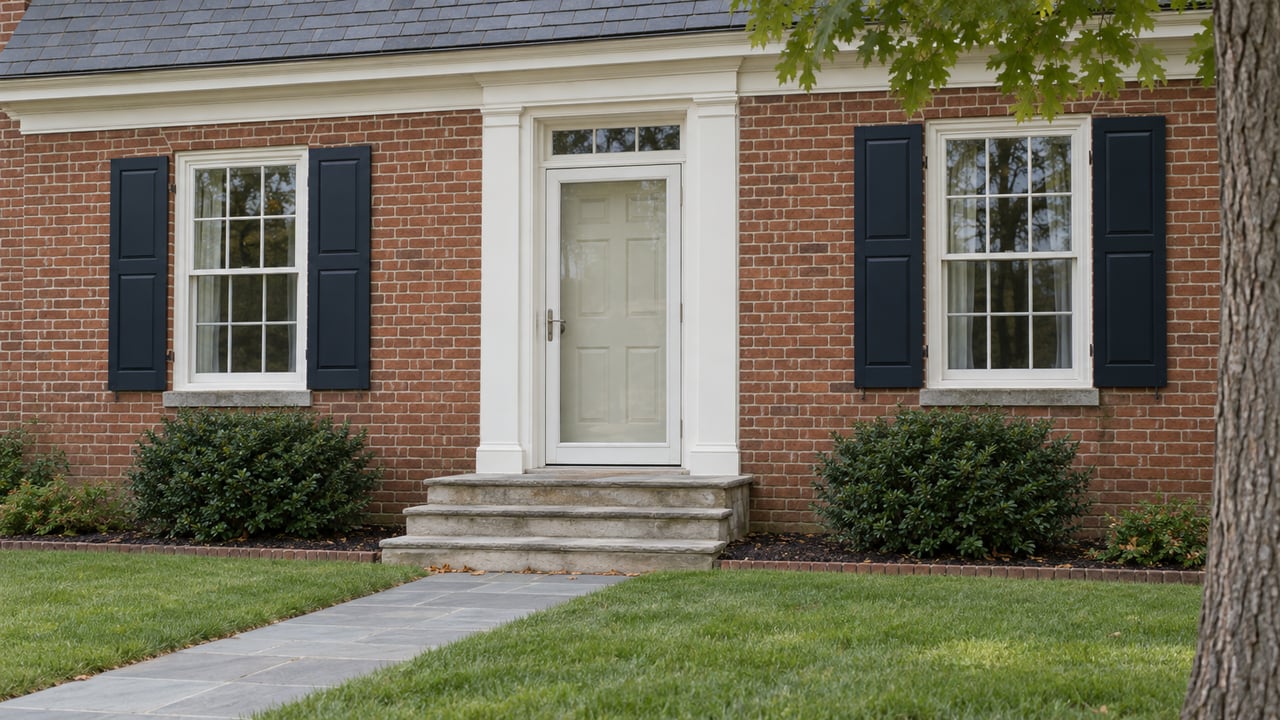
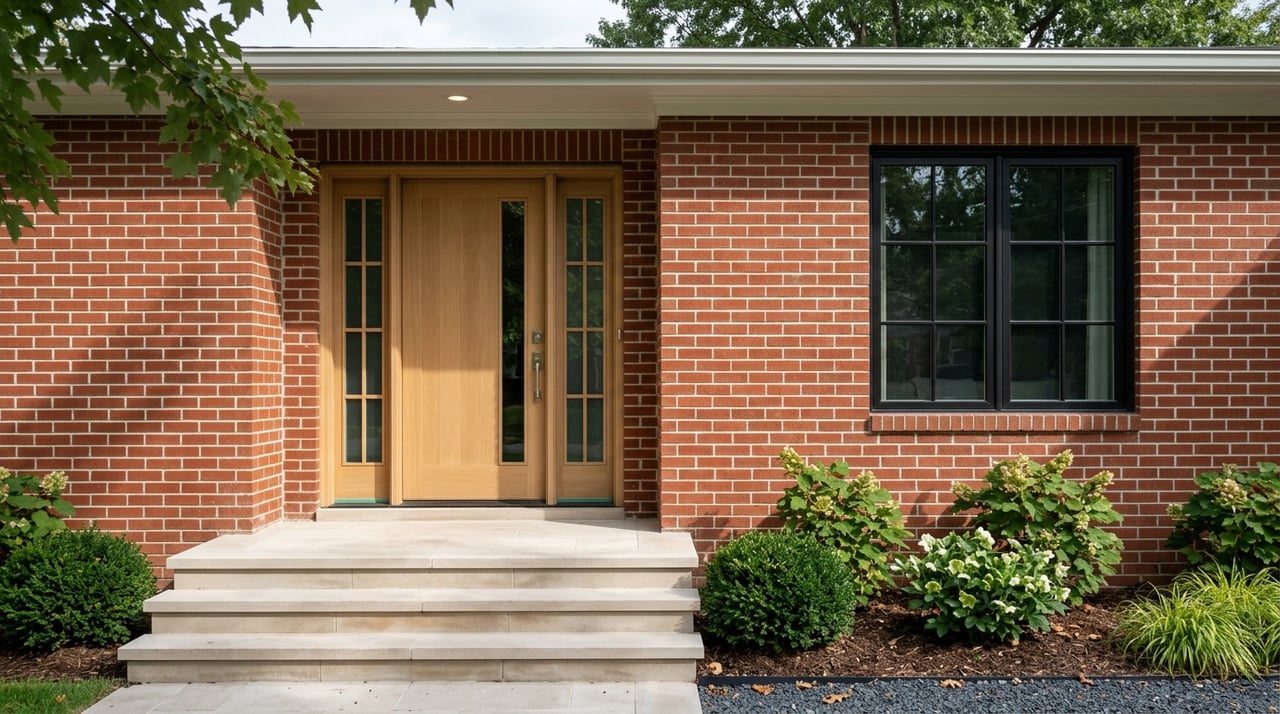
Architecturally, resale homes in McLean often include colonials, split-levels, and ramblers. Current examples in the research include a 1959 colonial on Birch Road, a 1959 split-level on Churchill Road, and a brick rambler on Birch Road. In other words, resale gives you more variety, both in style and in how the home sits on the lot.
Lot Variety and Established Setting
One of the biggest reasons buyers choose resale in McLean is the lot itself. Mature trees, established streetscapes, and more variation in yard size are common advantages. In some cases, the land is a major part of the value proposition, especially when privacy or redevelopment potential comes into play.
That is why pricing can feel surprising at first glance. A 1966 brick colonial on 0.4 acres was listed at $1.695 million, while another 1966 home on 1 acre sold for $4.125 million, and a 1996 home on 1.9 acres sold for about $2.68 million. In McLean, buyers are often paying for lot quality and setting as much as for the existing house.
Condition Can Vary Widely
With resale homes, condition is not one-size-fits-all. Some properties have already been thoughtfully updated with features like renovated bathrooms, replacement windows, newer AC, improved kitchens, or recent roofs. Others may be much closer to original condition and need a larger post-closing budget.
That range is important when you compare a resale home to a new build. An updated resale may offer much of the function and comfort you want, while still giving you a more established lot or a lower entry price than brand-new construction. On the other hand, a home with aging systems may require more planning and more immediate investment.
The Real Trade-Off: Land, Finish Level, and Risk
In McLean, the best comparison is not just new versus old. It is usually land versus finish level versus near-term maintenance risk. Once you frame the decision that way, it becomes easier to evaluate what matters most to you.
New construction often gives you:
- Current code compliance
- Newer systems
- More modern layouts
- Lower near-term repair exposure
- Move-in-ready finishes
Resale often gives you:
- Mature landscaping
- Established neighborhood character
- More lot-size variety
- More architectural variety
- A wider range of price points and update levels
Neither path is automatically better. The right fit depends on how you want to balance the home itself against the land, location, and future maintenance picture.
Questions to Ask Before You Choose
The smartest McLean buyers tend to ask a few very practical questions early. These questions can quickly reveal whether a home is priced for the structure, the lot, or both.
Is It Truly New Construction?
Not all “new” homes in McLean represent the same buying experience. Some are fully new builds after a teardown, while others may be major rebuilds in established neighborhoods. Understanding that context helps you compare lot size, surrounding homes, and overall value more accurately.
How Much Land Are You Buying?
A newer home may offer significantly more interior square footage, but the lot may be smaller or more tightly used. A resale home may have less updated interior space but more usable yard, more privacy, or a stronger long-term land story. In McLean, that distinction matters.
What Systems Are Likely Due Soon?
For resale, one of the most important questions is what you may need to replace in the near future. Roof age, HVAC age, windows, and renovation timing can all affect your true cost after closing. Since resale condition varies so widely, the answer can change dramatically from one home to the next.
Is the Resale Already Updated Enough?
Some resale homes compete surprisingly well with newer builds because key improvements have already been made. If the kitchen, baths, windows, and mechanical systems have been updated, the resale option may offer a strong blend of comfort and lot value. In that case, the comparison becomes much more nuanced than simple age.
Which Option Fits Your Goals?
If you want the most turnkey experience possible, new construction may be the better fit. You may get the open floor plan, newer systems, and polished finishes that reduce your to-do list after move-in. That can be especially appealing if you want predictability and lower near-term maintenance exposure.
If you care more about lot character, mature landscaping, and neighborhood texture, resale may be the stronger choice. You may also find more architectural personality and more flexibility in price and renovation level. For many McLean buyers, the sweet spot is an updated resale home that offers both established setting and functional improvements.
In the end, the most important question is not “Should I buy new construction or resale?” It is “What am I really paying for in this specific property?” In McLean, the answer is often a blend of land, location, condition, and finish level.
If you want help comparing specific homes in McLean, Diana Foster Real Estate offers a locally grounded, high-touch approach that helps you weigh lot value, presentation, condition, and long-term fit with confidence.
FAQs
What does new construction usually look like in McLean?
- In McLean, new construction is usually an infill build or teardown-and-rebuild in an established neighborhood rather than a large new subdivision.
Are resale homes in McLean usually on larger lots?
- Some resale homes offer larger or more varied lots, mature landscaping, and established streetscapes, but lot size and value can vary widely by property.
Is new construction in McLean more energy efficient?
- New homes are built under Virginia’s current building code, and some may include higher-efficiency features such as tighter insulation, air sealing, updated windows, HVAC, and ventilation standards.
Why can older McLean homes still be expensive?
- In McLean, price often reflects lot quality, privacy, location, and redevelopment potential, not just the age or condition of the existing house.
How should you compare a new home to a resale home in McLean?
- A practical way to compare them is to weigh land, finish level, and near-term maintenance risk rather than focusing only on the year built.