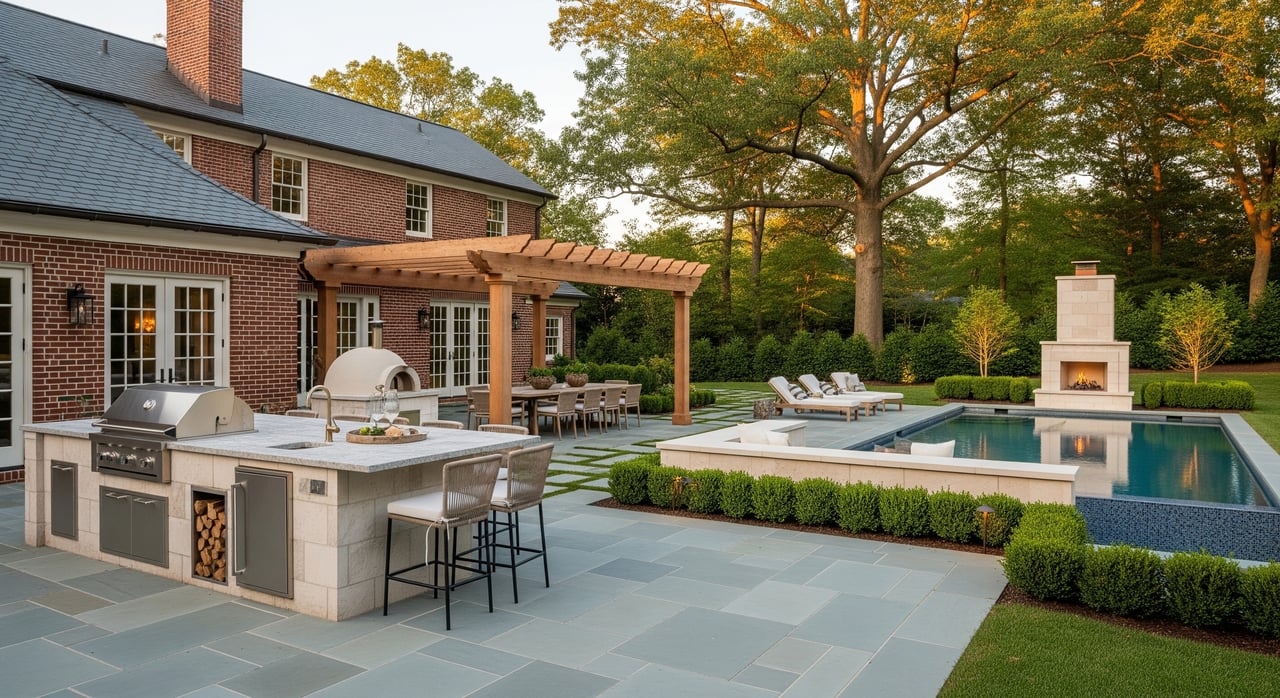
Want your Oakton backyard to do more than look pretty? If you are thinking about selling in the next year or simply want to enjoy your home more now, the right outdoor upgrades can make a clear difference. In our climate, buyers prize spaces that work for relaxing, entertaining, and everyday living across multiple seasons. This guide shows you which features resonate most with Oakton buyers, how to plan for Fairfax County rules, and where to invest for strong appeal and low maintenance. Let’s dive in.
What Oakton buyers prioritize
Outdoor space is a major lifestyle asset in Oakton. Buyers look for areas where friends can gather, kids and pets can play, and you can enjoy fresh air without constant upkeep. Features that consistently stand out include usable decks and patios sized for dining, covered or screened porches for shoulder-season comfort, privacy landscaping, and good lighting for safety and ambiance.
You will also see growing interest in sustainable choices. Native plantings, permeable pavers, and simple stormwater solutions help reduce runoff and maintenance. In a region with hot, humid summers and cool winters, buyers also value elements that extend use into spring and fall, such as screened porches and fire features.
High-impact upgrades that sell in Oakton
Decks and patios that function
A well-planned deck or patio creates a natural outdoor “room.” Composite decking is attractive for low maintenance, and paver or concrete patios offer versatility. Size the space to fit a dining table, a grill zone, and clear pathways. Add wide stairs and railings that feel comfortable and safe. In Fairfax County, many decks and larger structures require permits, so confirm requirements before starting.
Screened or covered porches
Screened and covered porches earn attention because they extend outdoor time in humid summers and cool winters. They provide shade, airflow, and relief from insects, which boosts everyday usability. These are more substantial projects with higher permitting needs. Work with a contractor who understands how appraisers may treat enclosed structures versus open porches.
Fire features to extend the season
Fire pits and built-in fireplaces create a focal point and let you enjoy cool evenings. Keep safety top of mind. Check setbacks, local rules, and any HOA restrictions before building. Built-in masonry features may require permits. Freestanding options can be a flexible way to add ambiance without overcommitting.
Landscaping for privacy and curb appeal
Thoughtful landscaping frames the home, improves privacy, and supports drainage. Native and adaptable plants perform well in USDA Zones 7a and 7b. Buyers appreciate established trees and low-maintenance beds. If you are planting screens, diversify species to reduce pest risks and avoid monocultures. Protect root zones when installing hardscape and mind drainage in areas with clay soils.
Recommended native or adaptable choices include oaks, redbud, serviceberry, dogwood, and hollies for structure, plus pollinator-friendly perennials like asters, black-eyed Susans, and coneflower. In shadier spots under mature trees, consider sedges and ferns.
Lighting and safe pathways
Quality outdoor lighting elevates the entire property. Path and step lighting improves safety and makes evening spaces feel welcoming. Accent lighting can highlight trees or stonework for curb appeal. Have a licensed professional handle wiring, and consider energy-efficient fixtures to lower long-term costs.
Stormwater-smart improvements
Rain gardens, permeable pavers, and rain barrels help manage runoff, protect local waterways in the Chesapeake Bay watershed, and can reduce erosion in yards with clay soils. Correct siting and grading are important. If you expect notable soil disturbance, confirm whether additional permits or erosion control steps are required.
Family-friendly lawn and play areas
Usable lawn for kids and pets remains a common request. If a traditional lawn is not your goal, consider turf alternatives such as native seed mixes in suitable areas. If you explore artificial turf, weigh heat and lifecycle considerations, and be clear about maintenance expectations to future buyers.
Outdoor kitchens, grills, and bars
Outdoor kitchens offer lifestyle appeal for frequent entertainers. They also come with higher costs and utility needs. If you are focused on resale, a well-designed grill station or modular unit can deliver the experience with broader appeal and less complexity. Any gas or electrical work should be completed by licensed professionals and inspected to code.
Pools and hot tubs
Pools and hot tubs can be a selling point for some and a deterrent for others. Installation and maintenance are significant, and safety fencing and permits are required. If you plan to sell soon, consider whether the pool will limit your buyer pool. For long-term enjoyment, plan for ongoing maintenance and insurance needs.
Local rules and permitting in Fairfax County
Permits and inspections
Fairfax County issues building permits for many outdoor structures, including most decks, screened porches, pools, and any work involving footings, electrical, or plumbing. Review permit thresholds, required plans, and inspection steps before you start. Doing it right the first time helps avoid delays during resale.
Zoning setbacks and HOAs
Setbacks, lot coverage, and accessory structure rules vary by zoning district and by HOA covenants. Many Oakton neighborhoods require architectural review for exterior improvements. Confirm HOA approvals and county zoning before committing to design or materials.
Tree protection and preservation
Mature trees are part of Oakton’s appeal and may require extra care. Be cautious near root zones when adding patios, driveways, or pools. Removing larger trees or working near specimen trees can trigger permit needs or mitigation, especially if a conservation easement is involved.
Utilities and safety
Always locate underground utilities before digging. Electrical, gas, and plumbing work must be completed by licensed professionals and inspected to county code. This protects your household and streamlines future buyer inspections.
Design tips for Oakton sites
Plan for shade and sun
Mature trees create valuable shade and cooler microclimates. Place seating where it gets morning light and afternoon shade, and choose shade-tolerant plants near trees. In sunnier zones, select heat-tough species and consider pergolas or umbrellas for comfort.
Choose the right plants
Match plant selections to Zone 7a or 7b, soil type, and available light. Favor native or adaptive species to limit maintenance and support pollinators. If you are adding evergreen screens for privacy, mix varieties and space plants thoughtfully to reduce disease risk.
Drainage and grading
Clay-rich soils and uneven grading can cause puddling and erosion. Address downspout extensions, slope, and permeable surfaces during design. Rain gardens and dry wells can help if located and installed correctly.
Tie it together as outdoor rooms
Create a simple flow from the kitchen to a dining patio, then to a lounge area or fire feature. Add lighting, easy steps, and defined edges so spaces feel intentional. Even modest projects can look curated when you think in zones and keep materials cohesive.
Budget, value, and ROI
Upgrades vary widely by site, materials, and labor. Here is a simple way to think about spend levels and appeal.
- Low to moderate cost: new planting beds, lawn refresh, basic path or step lighting, small paver or gravel patio, and privacy hedges.
- Moderate to higher cost: composite or elevated wood decks, screened porches, stamped or stained concrete patios, and built-in fire pits.
- High cost: full outdoor kitchens with utilities, large masonry fireplaces, pools, and major grading or drainage projects.
What tends to deliver value
Modest, well-executed landscaping, a functional deck or patio, and good lighting usually deliver strong buyer appeal. Highly customized or luxury features add lifestyle value but may not return proportionally at resale. If your goal is marketability, focus on curb appeal and low maintenance.
Cost drivers in Fairfax County
Site access, grading complexity, utility runs, and material choices drive budgets. Permitting and inspections add time and cost. Natural stone, composite decking, and intricate hardscape elevate the look and the price. Plan contingencies for weather and lead times.
Timeline and contractor checklist
Typical timelines
- Small projects like planting beds or a basic patio often take days to a few weeks, depending on weather and permits.
- Decks, screened porches, and drainage fixes can stretch several weeks to a few months, including permit turnaround.
- Pools and enclosed additions typically run several months due to design, permits, and inspections.
How to vet contractors
- Verify licensing and insurance, and confirm permit responsibilities.
- Get at least three bids and ask for nearby references with similar projects.
- Use written contracts that define scope, materials, warranty, cleanup, and payments.
Maintenance you can hand buyers
Provide simple care notes and records. Examples include deck sealing schedules for wood, irrigation winterization logs, service records for lighting or fireplaces, and landscape plans. Organized documentation signals a well-cared-for property.
Quick seller checklist
- Define your goal: quick resale lift or long-term enjoyment.
- Confirm permits, zoning, and HOA approvals before design.
- Prioritize curb appeal and functional spaces first.
- Keep features broadly appealing and low maintenance.
- Get multiple estimates from licensed, insured pros.
- Preserve mature trees when possible and protect root zones.
- Document work with permits, warranties, and before-and-after photos.
A thoughtful outdoor plan can elevate your Oakton home’s day-to-day livability and its market readiness. If you want a curated, property-specific strategy, Diana’s Design Consult can help you prioritize updates that align with buyer preferences and your timeline. For guidance and a seamless path to market, connect with Diana Foster Real Estate to discuss your goals or get an instant home valuation.
FAQs
Which outdoor upgrades have the best resale impact in Oakton?
- Functional decks or patios, professional landscaping with privacy and mature trees, and quality lighting typically deliver strong buyer appeal.
Do I need a permit for a new deck or screened porch in Fairfax County?
- Many decks and structures with footings, electrical, or plumbing require county permits. Confirm requirements and HOA approvals before work begins.
Are pools a good idea for resale in Oakton?
- Pools appeal to some buyers and deter others due to maintenance and safety. They are lifestyle features and not always value-positive for resale.
What plants perform well in Oakton’s climate?
- Choose species rated for USDA Zones 7a or 7b and favor native or adaptable plants suited to local soils and light conditions. Diversify to reduce pest risk.
How long do outdoor projects typically take from start to finish?
- Small projects can finish in days to weeks. Decks, porches, and drainage fixes often take weeks to a few months, while pools or enclosed additions take several months.
What should I ask contractors before I hire them?
- Verify licensing and insurance, ask who handles permits, request local references, and get a written contract with scope, materials, warranty, and payment terms.