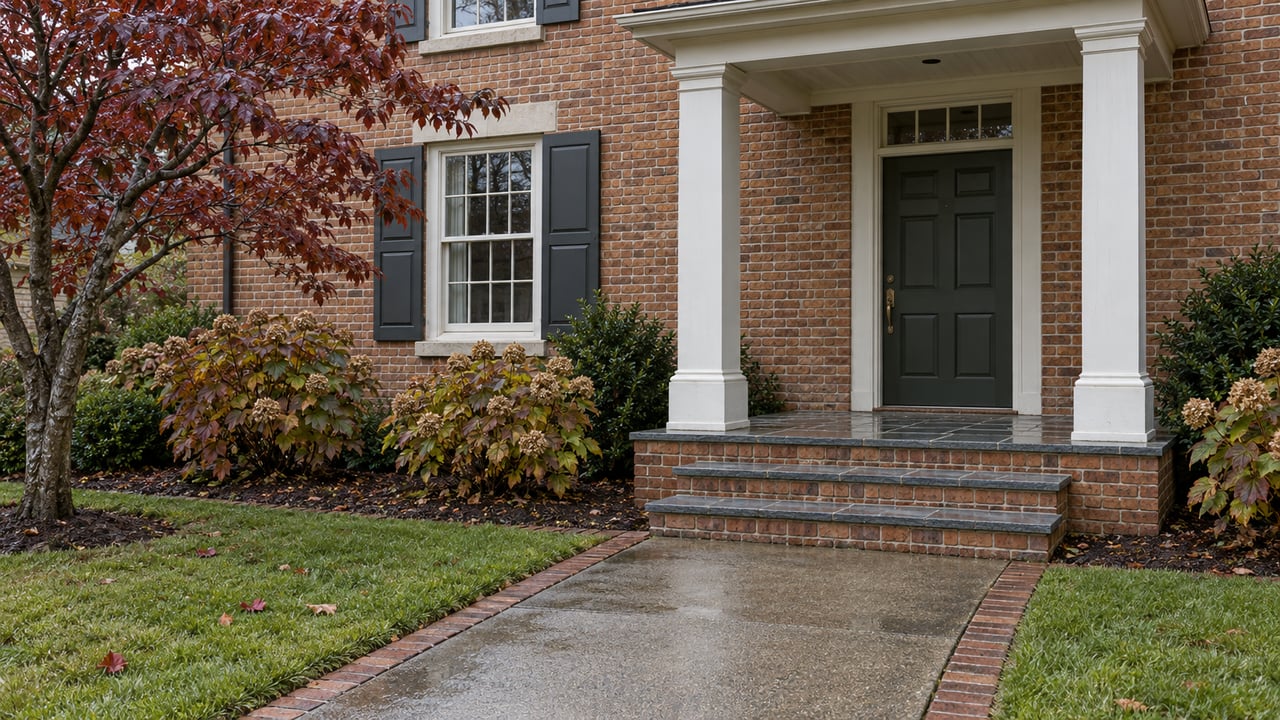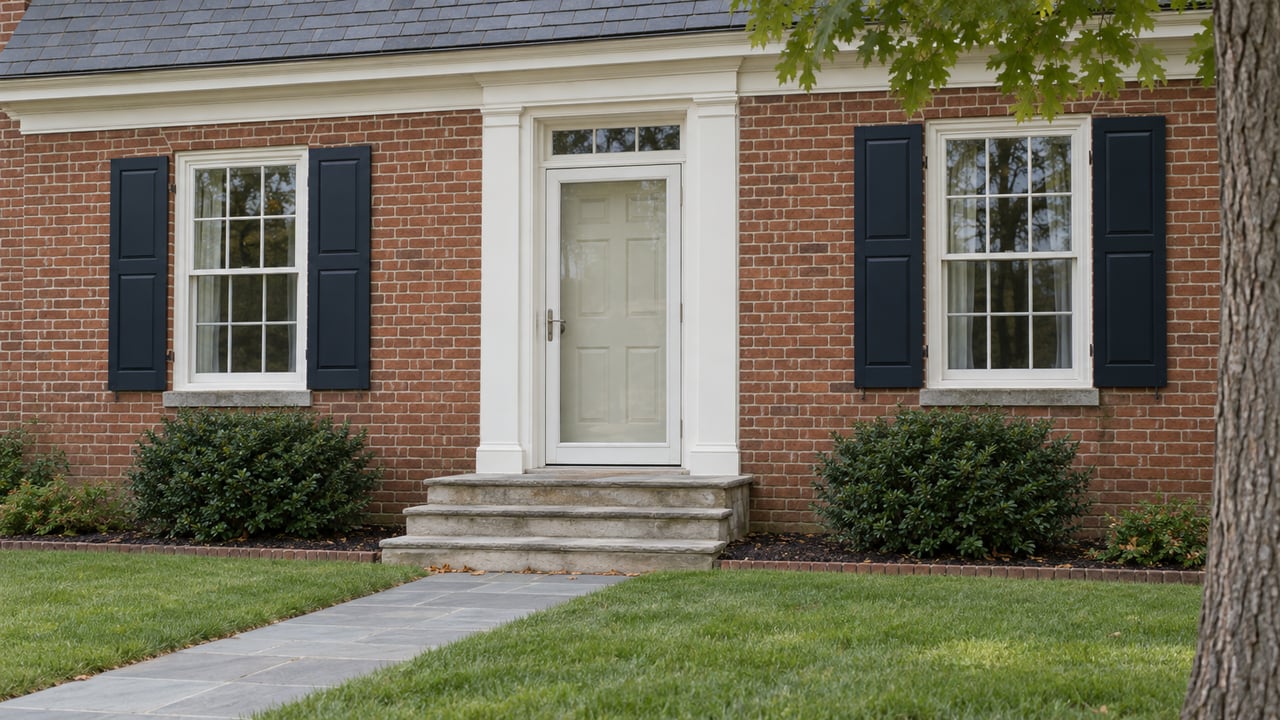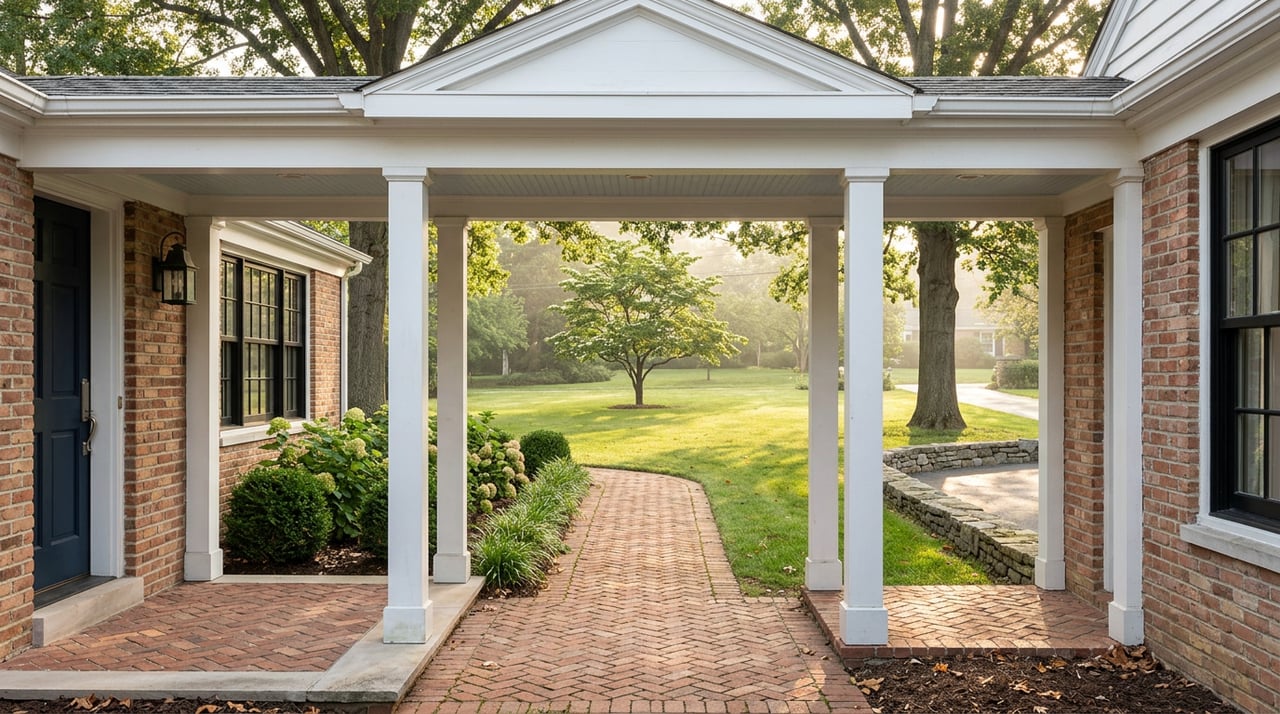
A Reston seller signs a listing agreement on a Tuesday. By the following Monday, an offer is in hand. The number on the assessment line looked fine on the disclosure sheet. Nobody flagged the exterior siding or the fence line that a neighbor complained about two summers ago. Then the resale disclosure package the seller finally ordered after going under contract comes back with a citation, the buyer's attorney reads it, and a closing that should have taken five weeks stretches into eight while everyone waits on a fix that could have happened months earlier for free.
That sequence, not the size of the annual assessment, is the actual risk in a Reston sale. Nearly every seller who searches for information about Reston Association fees finds the same numbers: what the HOA costs, what it funds, how it compares to a similar Fairfax County subdivision. Those numbers matter less than a document most people don't request until it's too late to use it well.
What Reston Association actually requires before you can close
Virginia's Property Owners' Association Act requires sellers in a mandatory-membership community to obtain a resale disclosure certificate and deliver it to the buyer before closing. In Reston, that means a package produced by Reston Association. Reston Association's own resale page confirms the packet includes the current assessment, exterior inspection findings, governing documents, financials, and reserve information for the property.
The package is not a formality. Once a buyer receives it, Virginia law gives them a three-day right of cancellation that only begins running from the moment they have it in hand. A seller who orders the package the day they sign a listing agreement gives that clock room to run in parallel with everything else. A seller who waits until there's a ratified contract is asking a fourteen-day production window, sometimes longer when Reston Association's resale team is backed up, to fit inside a settlement date that a buyer's lender already set.
Reston moved fast for most of 2026. In April, the median sale price in Reston was $592,450, with homes going under contract in about 16 days. The month before, homes were closing at just over 101 percent of list price, with more than four in ten selling above the original asking price and barely more than a month of inventory on the market. A market moving at that pace does not leave slack for a disclosure package that hasn't been ordered yet.
The fee stacking that changes the math
Reston Association's 2026 annual assessment is $890, up from $848 the year before. Owners who qualify for the Fairfax County tax relief program pay $445 instead. The assessment is due January 1 each year, with late fees kicking in after March 1, and it funds a genuinely large amenity package: 15 outdoor pools, more than 50 tennis courts, four lakes, roughly 1,350 acres of open space, and 55 miles of pathways across the community. A one-time transfer fee of $374 is due at settlement on top of that.
None of that is unusual for a large master-planned community. What surprises buyers and sellers alike is that the Reston Association number is often the smaller of two fees on the same property. Reston is organized into more than 160 sub-associations, meaning a single-family home or townhouse frequently carries a separate cluster or condo assessment layered on top of the master fee. One nearby cluster, Soapstone, carries its own annual assessment. A buyer comparing two listings by the headline HOA number alone can miss that one property carries $890 a year in dues and the other carries $890 plus additional dues from a cluster board that isn't listed anywhere on the MLS sheet.
Here's how the pieces typically stack for a Reston property:
| Item | 2026 amount | When it's due |
|---|---|---|
| Reston Association annual assessment | $890 (or $445 with Fairfax County tax relief) | January 1 annually |
| Reston Association transfer fee | $374 | At settlement, one time |
| Cluster or condo association assessment | Varies by association | Set by that association's own schedule |
| Resale disclosure package | Ordered before listing, ideally |
The takeaway for a seller isn't that the fees are high. It's that the property's true carrying cost, and the paperwork required to disclose it, involves two separate organizations that each move on their own timeline.
The inspection almost nobody asks for
Buried in Reston Association's own covenants materials is a service that solves most of the timing problem, and Newport Shores Reston says it costs nothing. Before ordering the formal, paid resale disclosure package, a seller can request a pre-POAA inspection. Association staff will walk the exterior of the property and note anything that would show up as a violation on the official disclosure, at no charge.
The Covenants Committee administers Reston's Use and Maintenance Covenants, which require every property to be kept in good repair and substantially similar to its original condition. A fence that's weathered past what the covenants allow, a shutter that's missing, a color change on the trim that was never submitted to the Design Review Board: these are the kinds of items that turn up in a resale inspection. Caught during a free, informal walkthrough weeks before listing, they're a weekend project. Caught for the first time in the paid disclosure document a buyer's attorney is reading during a compressed due diligence window, they're a negotiating point, and sometimes a reason a buyer exercises that three-day right of cancellation altogether.
One cluster association in Reston puts it plainly in its own homeowner guidance: sellers preparing to list are encouraged to request the free inspection so any violation can be corrected before it's ever written into a formal disclosure document. That's the entire mechanism. The free inspection isn't a substitute for the legal disclosure package Virginia law requires. It's a preview that buys a seller time to fix what the paid version will otherwise report as unresolved.
Uncorrected violations don't automatically threaten a sale. Reston Association's own guidance on inspections is direct: an open violation noted in the disclosure documents becomes the new owner's responsibility if it isn't corrected before the deed transfers. That can sound like it lets a seller off the hook, but in practice it rarely plays out that neatly. A buyer's lender, title company, or attorney reviewing a disclosure package with an open citation often treats it as leverage, whether that means a price adjustment, a credit at closing, or a delay while the parties negotiate who fixes what and when. A seller working from a clean report has none of that to negotiate around.
What this looks like for a fall listing
For anyone weighing a Reston listing this fall, the sequence that avoids the eight-week closing looks like this: request the free pre-POAA inspection as soon as you start preparing the home, well before a listing agreement is signed. If anything comes back, you have weeks to address it instead of days. Order the formal, paid resale disclosure package the same day you sign with your agent, not after you have a ratified contract. If your property sits in a cluster or condominium association, contact that association in parallel rather than sequentially, since Reston Association's package covers only the master association and won't include your cluster's separate financials or violation history.
None of this changes what the home is worth. It changes whether the timeline you and your buyer agreed to actually holds.
A few direct questions
How long does the paid disclosure package actually take? Reston Association's stated turnaround is fourteen days from the date payment is received. That's the number to plan around, and it's also why ordering it the day a listing goes live, rather than the day an offer arrives, matters more than the fee itself.
What if my cluster is doing a walkthrough inspection around the same time I want to list? Cluster or condominium-wide walkthroughs are a separate process, requested by the cluster's board rather than an individual seller, and they follow their own notice and correction timeline. If your cluster has one scheduled, it's worth asking your cluster board directly whether your unit is included and what the correction window looks like before you set a listing date.
If you're weighing whether to list a Reston property this fall, or you want a clear read on what your home is worth before the paperwork clock starts, Diana Foster can walk through the disclosure sequence with you and get you an instant home valuation to start the conversation on solid footing.
This article is general information, not legal, tax or financial advice. Consult a qualified professional about your situation.