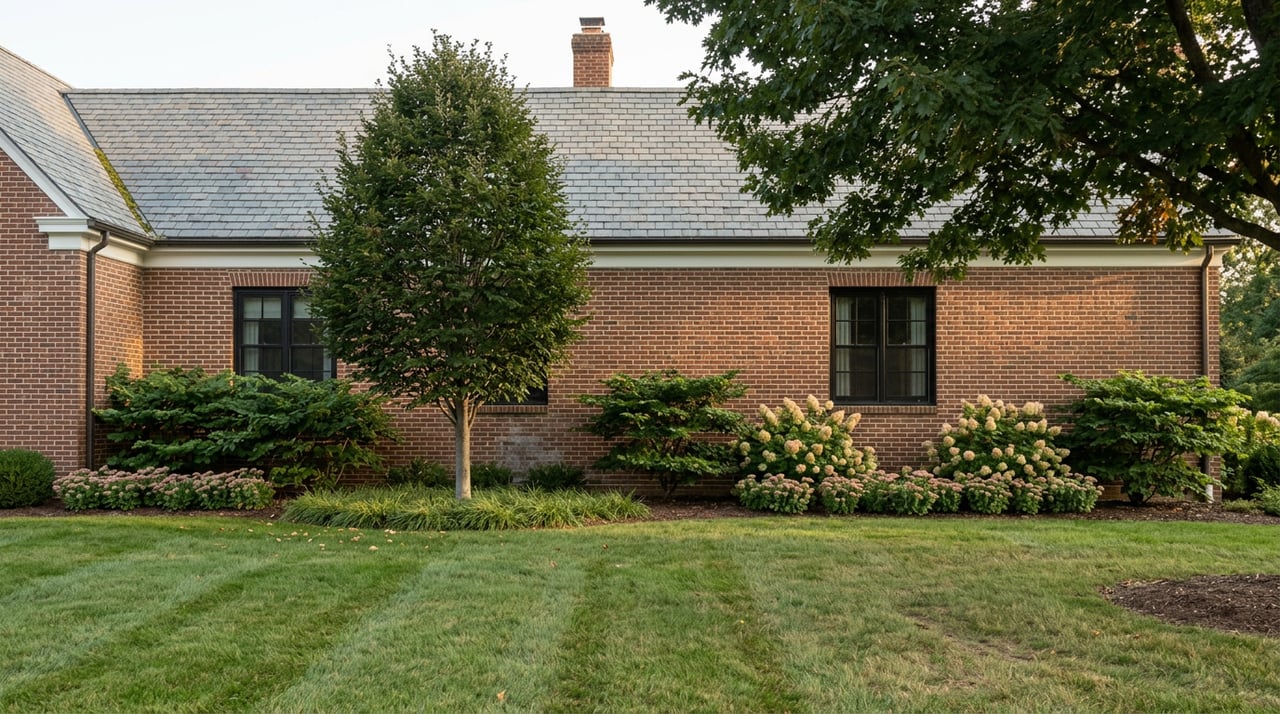
Ask a real estate attorney who works mostly in Arlington or inside the Beltway about House Bill 2671, and you may get a blank look. The law does not touch their transactions because their listings sit on public water and sewer. Ask the same question of anyone closing a sale in Great Falls, and the answer changes completely, because in Great Falls the septic tank is often as consequential to the closing timeline as the appraisal.
According to Virginia REALTORS, HB 2671 took effect July 1, 2025, after Governor Youngkin signed it that March. On paper, it is a licensing and standards bill. According to LegiScan, the statute defines an inspection as one requested by a lender, a real estate licensee, a prospective buyer, or another party with a stake in the sale.
What the law actually changed
Before July 2025, a septic evaluation during a Virginia home sale could mean almost anything. One contractor might pump the tank and call it done. Another might run a camera through the lines.
HB 2671 replaced that patchwork with a fixed floor:
| Before July 1, 2025 | Under HB 2671 | |
|---|---|---|
| Who can inspect | Must hold a DPOR license as an onsite sewage system operator, installer, or soil evaluator | |
| Scope | Varied by contractor, sometimes visual only | Septic & Well describes a standardized minimum scope covering the tank, baffles, distribution box, and drain field |
| Pump-out | Often billed and scheduled separately | Built into a complete inspection |
| Reporting | According to Farmers Septic, the written report is due within 10 business days |
For a buyer's attorney or a lender's underwriter, that standardization is the entire point. A report that says "inspected" now means the same thing regardless of who wrote it. For a Great Falls seller, an inspection, when requested, now has a defined scope and a written report.
Why septic inspections matter in Great Falls
Fairfax County's R-E zoning district, which covers much of Great Falls, sets a minimum lot size of 75,000 square feet with 50-foot front setbacks, and county parcel records show plenty of lots running well past an acre into the multi-acre range. Large lots and low density are exactly the conditions under which municipal water and sewer never got extended, so the county's onsite sewage rules apply to a meaningfully larger share of homes here than almost anywhere else in Fairfax County.
Layer financing on top of that. Purchases at Great Falls price points routinely involve jumbo or portfolio lending rather than standard conforming loans, and lenders writing those loans have every incentive to protect their collateral. A septic system in disrepair is exactly the kind of defect a lender wants documented and resolved before funding closes. That is precisely the scenario HB 2671's definition of "inspection" was written to cover: one requested by a lending institution as a condition of the transaction. When the buyer's lender asks, the inspection stops being optional in any practical sense, and in Great Falls, the buyer's lender asks far more often than it would in a neighborhood built on public utilities.
What it costs, and what it costs to wait
Statewide, a standard HB 2671-compliant inspection runs $300 to $500. In Northern Virginia specifically, that figure trends higher, closer to $400 to $550 for a conventional system, with alternative or aerobic systems costing more given the added components an inspector has to evaluate. The 10-business-day report requirement means a seller who orders the inspection before listing knows exactly what a buyer's inspector will find, weeks before anyone makes an offer.
Wait instead, and the same inspection happens on the buyer's schedule, inside a due diligence window that is already carrying the home inspection, and often the well water test as well. If the report flags a problem, a licensed contractor has to be scheduled, repairs completed, and documentation gathered, all while a closing date is already fixed on a contract. Every day in that stretch is a day the buyer's financing rate lock, moving plans, or patience can start to erode.
The systems most likely to get flagged
Older Great Falls estates, many built decades before HB 2671 existed, were far more likely to have been maintained under the old informal standard: pumped occasionally, inspected rarely, and never evaluated against a fixed scope. A system that has gone years without a documented pump-out, or one whose maintenance records live only in a homeowner's memory, is a system that has never actually been tested against the standard a buyer's inspector will now apply.
Turning a compliance step into a selling point
The strategic move is not complicated, but it does require acting before the sign goes in the yard. A pre-listing inspection under the new standard gives a seller three things a post-contract inspection cannot: time to address anything the report flags, control over which licensed contractor does the work, and a document to hand buyers that answers the septic question before it becomes a negotiation.
That logic is consistent with how Great Falls estates sell well in general. A home that has been prepared, not just listed, moves through due diligence with fewer surprises and less room for a buyer to renegotiate on price. A documented, current septic report belongs in that preparation alongside photography and staging, not as an afterthought discovered during someone else's inspection window.
FAQ
What does HB 2671 change for a sale? The law standardizes what an inspection must include and who can perform it. It applies when a lender, agent, buyer, or another party with a stake in the sale requests one as a condition of the transaction.
How long does a compliant inspection take, and what does it cost? A standard residential inspection typically takes a few hours on site, and the licensed inspector has up to 10 business days to deliver the written report. Costs generally run $300 to $500 statewide, with Northern Virginia often landing at the higher end of that range, closer to $400 to $550, particularly for alternative or aerobic systems.
What is the advantage of inspecting before listing? A seller who inspects before listing gets to resolve issues on their own timeline and with a contractor of their choosing, rather than under the pressure of a due diligence deadline.
If you own an estate-scale property in Great Falls and you are weighing when to list, the septic question is worth answering before the photographer arrives, not after an offer is on the table. Diana Foster works with Great Falls sellers on exactly this kind of pre-listing preparation as part of her Design Consult process. Get an Instant Home Valuation to start the conversation about what your property is worth and what it needs before it goes to market.
This article is general information, not legal, tax or financial advice. Consult a qualified professional about your situation.