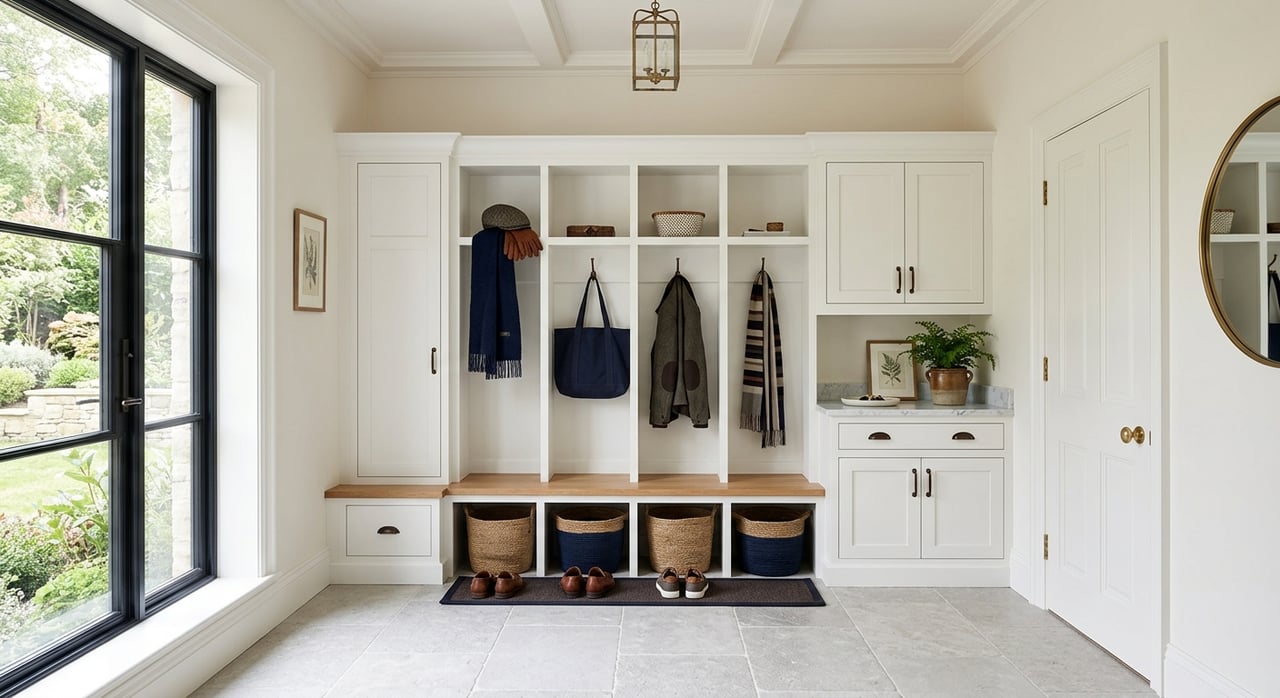
Selling your Oakton home while still living in it can feel like a full-time job. You want your home to look polished for buyers, but you still need it to function for real life, from school mornings to workdays to pets underfoot. The good news is that occupied-home staging does not have to mean perfection at every minute. With the right priorities, a simple daily routine, and a smart plan for photos and showings, you can make your home feel calm, spacious, and market-ready. Let’s dive in.
Why staging matters in Oakton
In Oakton, presentation still matters even in a market where homes can move quickly. Zillow’s June 2026 Oakton page reports an average home value of about $1.12 million and homes going pending in around 6 days. At the same time, Northern Virginia buyers are comparing options, with NVAR reporting an average 18 days on market regionally in April 2026 and 1.83 months of supply.
That means your home is not just competing on price and location. It is also competing on how it feels online and in person. When buyers can compare several homes, a clean, well-staged home has a better chance of standing out.
National staging data supports that effort. NAR’s 2025 Profile of Home Staging found that 83% of buyers’ agents said staging made it easier for buyers to visualize a property as a future home, while 49% of sellers’ agents said staging reduced time on market. For occupied homes, that makes staging less about decoration and more about protecting value.
Focus on the rooms buyers notice first
If you are still living in the home, start where staging has the biggest payoff. NAR reports that the living room, primary bedroom, dining room, and kitchen are the rooms staged most often. Buyers’ agents ranked the living room as the most important room to stage, followed by the primary bedroom and kitchen.
This is good news if your time and energy are limited. You do not need to redesign every corner of the house before you list. Instead, focus first on the spaces where buyers are most likely to pause, compare, and imagine daily life.
Living room
Your living room should feel open, bright, and easy to understand. Clear extra items off side tables, shelves, and media consoles so buyers notice the room itself instead of your belongings. Keep seating arranged to show conversation space and traffic flow.
Primary bedroom
The goal in the primary bedroom is calm. Use simple bedding, reduce decor, and clear surfaces as much as possible. A restful, uncluttered bedroom helps the home feel well cared for and easier to picture as a retreat.
Kitchen
In the kitchen, less is more. Clear counters except for a few intentional items, and make sure cabinets, pantry areas, and visible storage are not overstuffed. Buyers often open doors and drawers, so spacious storage matters.
Dining room
A dining room should have one clear purpose. Keep the table mostly clear, use minimal decor, and make sure the room does not become a holding zone for mail, backpacks, or extra furniture. Simplicity helps buyers understand the room quickly.
What staging really means in a lived-in home
For an occupied listing, staging usually starts with the basics. NAR defines staging as a mix of cleaning, decluttering, repairing, depersonalizing, and updating. In other words, the foundation is not fancy furniture. It is creating a home that feels clean, neutral, and easy to imagine.
That often means removing personal photos, reducing bold decor, and editing down what stays visible day to day. Neutral colors and fewer personal items help buyers focus on the home’s layout, light, and function rather than your style.
A lived-in home also needs clear purpose in every room. If you have a spare room that currently does a little of everything, choose one use and stage it that way. NAR specifically recommends showing one clear use, such as a home office or playroom, instead of presenting a catch-all space.
Create a practical daily showing routine
One of the biggest worries sellers have is how to keep a home show-ready without constant stress. The answer is not to deep clean every day. It is to create a repeatable routine that keeps the home within easy reach of showing condition.
NAR’s seller checklist says many sellers can prepare for showings in less than an hour once they get into a rhythm. That kind of routine can make a big difference when showings are scheduled with short notice.
Your pre-showing checklist
Use a short checklist you can repeat every time:
- Open blinds and window treatments
- Wipe kitchen and bath surfaces
- Clear clutter from counters and tables
- Put away personal care items
- Make beds neatly
- Empty trash if needed
- Use clean staging towels in bathrooms
- Disable the alarm if applicable
- Take pets with you during showings
This kind of list helps you move quickly without wondering what you forgot.
Manage clutter without hiding it badly
When you still live in the home, clutter does not disappear on its own. It just needs a better system. One of the most effective staging moves is giving overflow a temporary home outside the house.
NAR’s staging guidance notes that closets, cabinets, and pantries should not be overfilled. If your storage areas are packed, buyers may assume the home does not have enough space. A storage unit can help create breathing room and make everyday pickup easier.
Try to keep only what you truly use each week inside the home. Seasonal items, extra toys, off-season clothing, backup kitchen gear, and excess decor are often the easiest things to move out first.
Watch for the biggest buyer turnoffs
Many showing mistakes are not dramatic. They are small distractions that change how a buyer feels as they walk through the home. NAR’s 2026 reporting points to a few repeat offenders, especially odors, cluttered horizontal surfaces, and overly personalized spaces.
Fragrance can also backfire if it feels like it is covering something up. Instead of relying on heavy sprays or plug-ins, focus on true cleanliness. Fresh air, clean soft surfaces, and a neutral scent are usually the better strategy.
Pay close attention to these common issues:
- Pet odors in rugs, upholstery, or bedding
- Cooking smells that linger too long
- Counters covered with daily-life items
- Too many family photos or personalized decor pieces
- Overflowing baskets, bins, or shelves
When buyers are distracted by smell or clutter, they are less likely to remember the home’s best features.
Stage smart when kids live there
If you have children at home, staging should feel manageable, not unrealistic. NAR reports that children’s bedrooms are among the least commonly staged rooms, which means you usually do not need a full redesign. The better goal is simplification.
Reduce the volume of toys, keep surfaces mostly clear, and use simple bedding or neutral decor when possible. If the room is shared or multifunctional, edit it down so the layout and floor space are easier to see.
If you have a spare room or flex area, consider giving it a defined family-friendly purpose. A homework nook or playroom can help buyers see how the home functions without making the space feel crowded or overly decorated.
Stage smart when pets live there
Pets are part of daily life for many sellers, but they can create extra work during listing season. NAR reports that 80% of REALTORS recommend removing pets during showings. It also notes that pet-related items can distract buyers.
For showings, remove bowls, crates, litter items, and toys from sight when possible. Focus on cleaning soft surfaces thoroughly, since fabrics tend to hold odors. Avoid using strong fragrance to cover pet smells, because buyers may notice both.
A simple pet plan usually works best:
- Arrange for pets to leave during showings
- Store bowls and pet gear out of sight
- Vacuum often, especially rugs and upholstery
- Wash pet bedding regularly
- Check entry areas for fur and odor buildup
Why a design consult can make this easier
Occupied-home staging is often less about buying new things and more about making smart editing decisions. That is where a design consult can be especially helpful. NAR notes that staging can be self-directed, professional, or virtual, and in a lived-in home, expert guidance can help you decide what to store, what to keep visible, and which rooms need the most attention.
For Oakton sellers, this matters because many homes are spacious and feature multiple living areas, flex rooms, and family-use zones. A curated plan keeps those spaces feeling intentional rather than busy. It also helps you avoid overspending on updates that may not improve presentation.
For a brand like Diana Foster Real Estate, this kind of preparation fits the broader strategy of premium listing presentation. A thoughtful design consult can create a smoother path from lived-in home to market-ready home without making your daily life harder than it needs to be.
Time photos after the staging work
Professional photography should come after the home reaches its staged baseline. NAR says staging is just as important for online listing photos as it is for in-person tours. Since many buyers first form their impression online, your photos need to show the home at its clearest and most inviting.
That is especially important in a market where buyers have options to compare. If your Oakton home looks bright, spacious, and composed in photos, you increase the odds that buyers will want to see it in person.
Before photo day, make sure blinds are open, surfaces are clear, and each room has one obvious purpose. The camera tends to magnify visual noise, so even small edits can have a big impact.
Keep your goal simple
You do not need to live in a model home to sell successfully in Oakton. You just need a clear plan that helps buyers see space, light, function, and care. When you focus on the most important rooms, build a simple showing routine, and make thoughtful edits to daily-life clutter, staging becomes much more manageable.
If you are preparing to sell and want a more curated plan for your home, Diana Foster Real Estate can help you think through design consult recommendations, presentation strategy, and the steps that support a seamless listing launch.
FAQs
What rooms matter most when staging an occupied Oakton home?
- The highest-priority rooms are the living room, primary bedroom, dining room, and kitchen, with the living room ranked most important by buyers’ agents in NAR’s 2025 staging report.
How can you keep your Oakton home ready for showings while living there?
- A simple routine works best: open blinds, clear surfaces, make beds, put away personal items, use clean towels, and take pets with you during showings.
Should you use storage when staging a lived-in home in Oakton?
- Yes. NAR guidance notes that overfilled closets, pantries, and cabinets can make storage feel limited, so a temporary storage unit can help your home look more spacious.
How should you handle kids’ rooms when staging an Oakton home?
- Focus on simplification rather than a full makeover by reducing toy volume, clearing surfaces, and making the room’s purpose easy to understand.
What is the best approach to pets during Oakton home showings?
- Remove pets during showings when possible, hide pet gear, and clean soft surfaces thoroughly instead of relying on strong fragrances.
Why does professional photography matter after staging an Oakton home?
- Staging improves online presentation as well as in-person showings, and strong listing photos help your home stand out when buyers are comparing multiple options.